Service 05
Sourcing a piece
A reference you have wanted for years. A replacement for something lost. A gift that has to be a particular thing. Tell us what it is and the search starts from there.
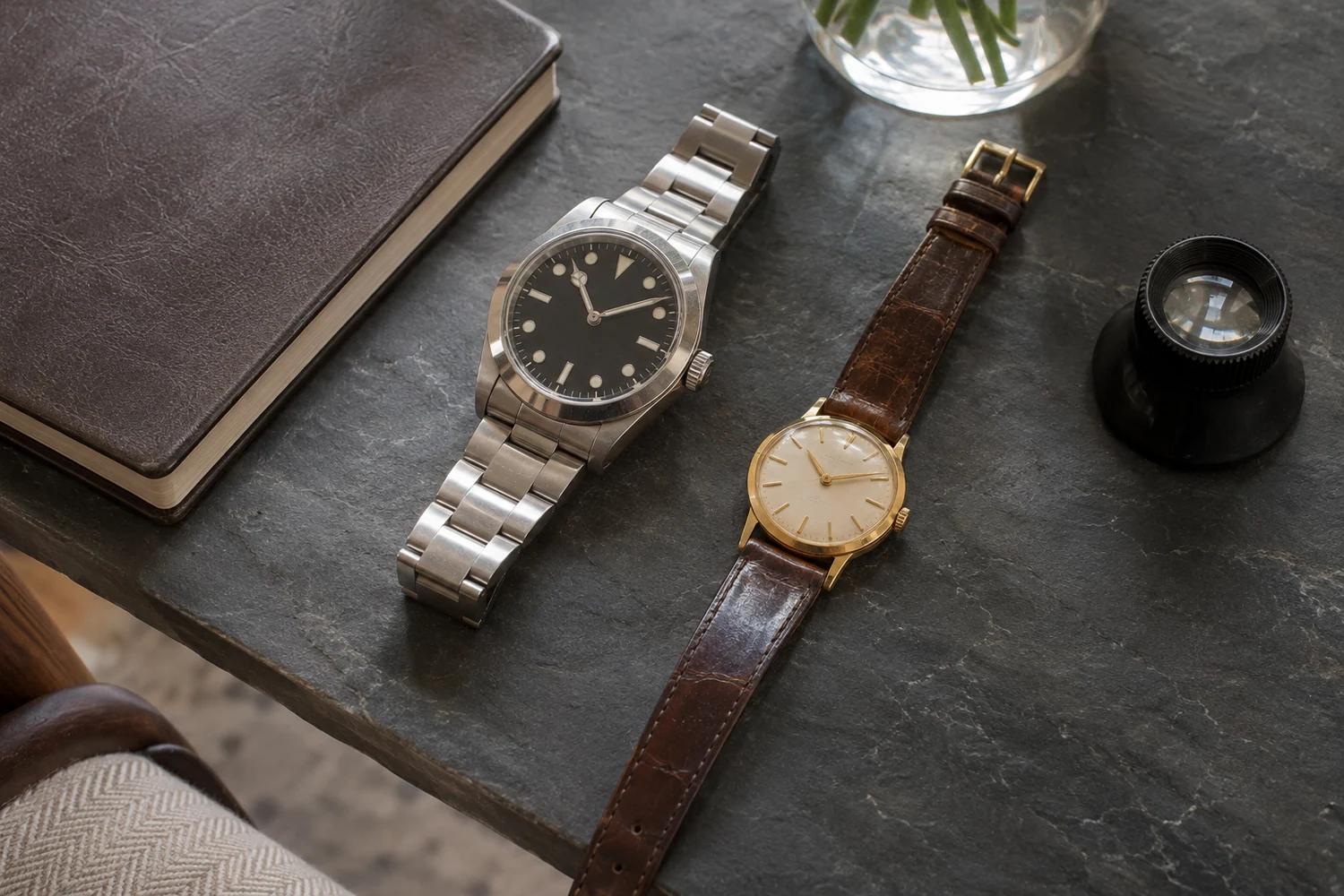
If it is not in the window, it can still be found.
A search, not a sales pitch
Everything in the window was found for someone or found because it was worth finding. Sourcing is the same work, directed at something specific that you have asked for.
It begins with a brief: the maker and reference if you know them, or the feeling if you do not, with the budget and the compromises you are willing to make. A piece in excellent condition without its box is a different proposition from a tired one with every paper, and knowing which way you lean saves weeks.
You are not committed to anything. Candidates are presented with photographs and an honest account of their condition, and if none of them is right, the search carries on or it stops. Being shown something that is nearly right and told so is more useful than being sold it.
- Brief
- Written down, so we are looking for the same thing
- Budget
- Agreed before the search begins
- Candidates
- Condition described plainly, not flattered
- Obligation
- None — a search can end at any point
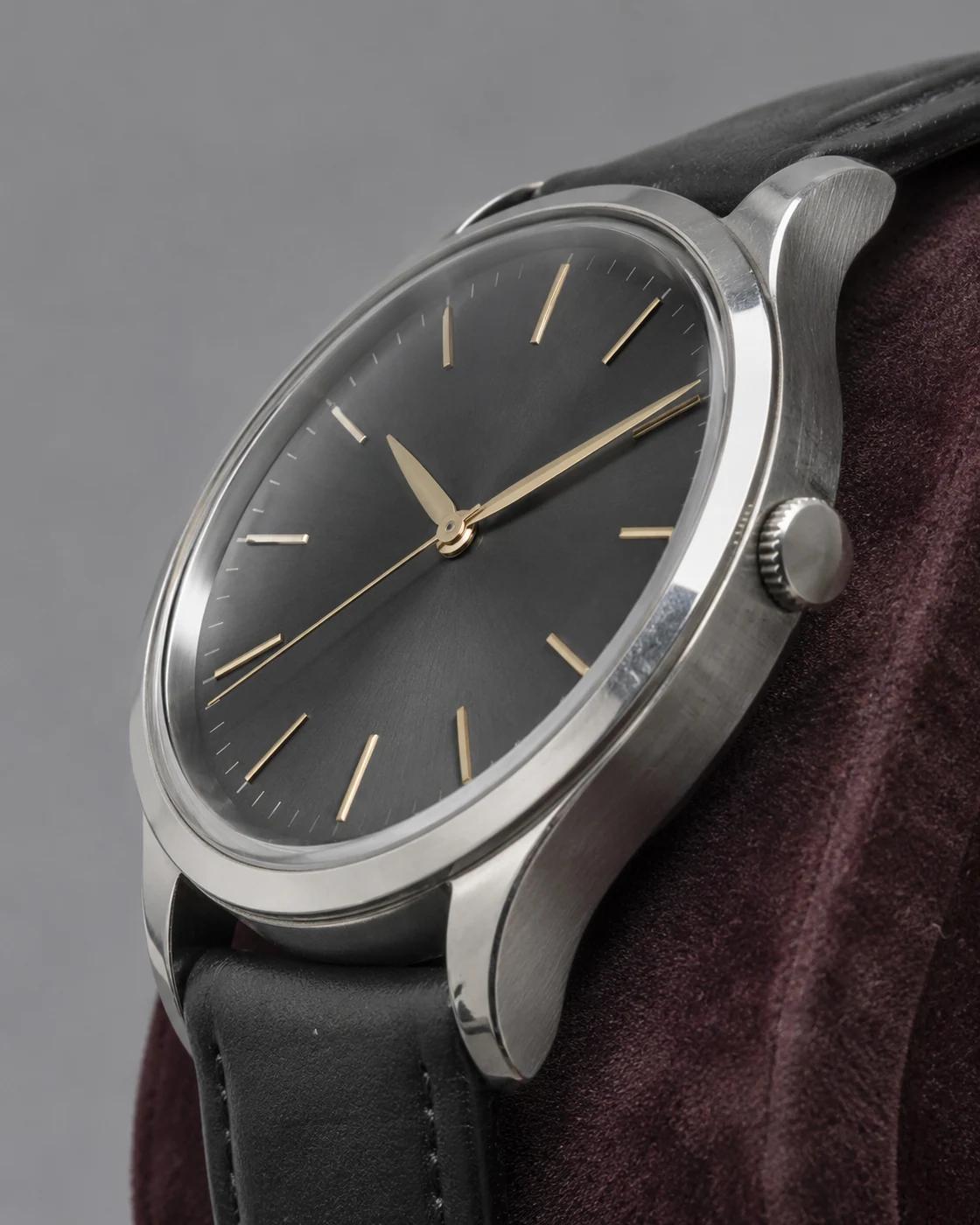
What is involved
What we will look for
Specific or open — both work, though specific usually works faster.
A particular reference
A watch you can name by model and reference number, with preferences on dial, bracelet, year and the papers.
A type of piece
An emerald-cut solitaire within a budget, a dress watch under 36mm, a chain of a particular weight and length. A description rather than a name.
A replacement
Something lost or stolen, matched as closely as it can be to a photograph, a valuation entry or your description.
A matching piece
Earrings to go with a pendant, a second band to sit with an existing ring, or the other half of something separated years ago.
Loose stones
Stones to a specification, for a commission or to replace one that has been lost, presented with their characteristics described.
Gifts to a brief
An occasion, a person and a budget. We will come back with options rather than one thing you are expected to take.
Step by step
How a search runs
Four steps, and you can stop it at any of them.
The brief
What you are looking for, what you would accept, what you would not, and the budget. Written down, so the search is against something definite.
Looking
The search runs through the trade and the usual channels. How long it takes depends entirely on what you have asked for — some pieces appear in a fortnight, some take considerably longer.
Candidates
Each possibility is presented with photographs, what is known about it, its condition described as it is, and what it would cost you all in.
Your decision
Take one, ask for more, or stop. If a piece arrives and it is not as described, it goes back — that is our problem, not yours.
The case for it
Why ask someone to look
- Condition described honestly
- The marks are pointed out rather than photographed around. You are deciding on the piece as it is.
- Time you do not have to spend
- Watching the market for one particular reference is a slow job. It is the job.
- A price you can sanity-check
- You are told what a piece should cost and why, including where an asking price is optimistic.
- No pressure to take it
- A search with nothing suitable in it ends with nothing bought. That is a perfectly good outcome.
Often next
Related services
- Service 03
Bespoke commissions
A new piece made to your design, or an inherited one remodelled into something you will actually wear.
- Service 04
Valuations
Written valuations for insurance, probate and private sale, with each piece described, measured and photographed.
- Service 01
Watch servicing & repair
Full services, battery and seal changes, crystal and bracelet work, and timing adjustment for mechanical and quartz watches.

Describe what you are looking for
The maker, the occasion, or simply the feeling. We will come back with what we can find and what it would cost.