Service 04
Valuations for insurance and probate
Insurers want a description precise enough to replace a piece. Executors need a figure that can be justified. Both start with someone looking at the piece properly.
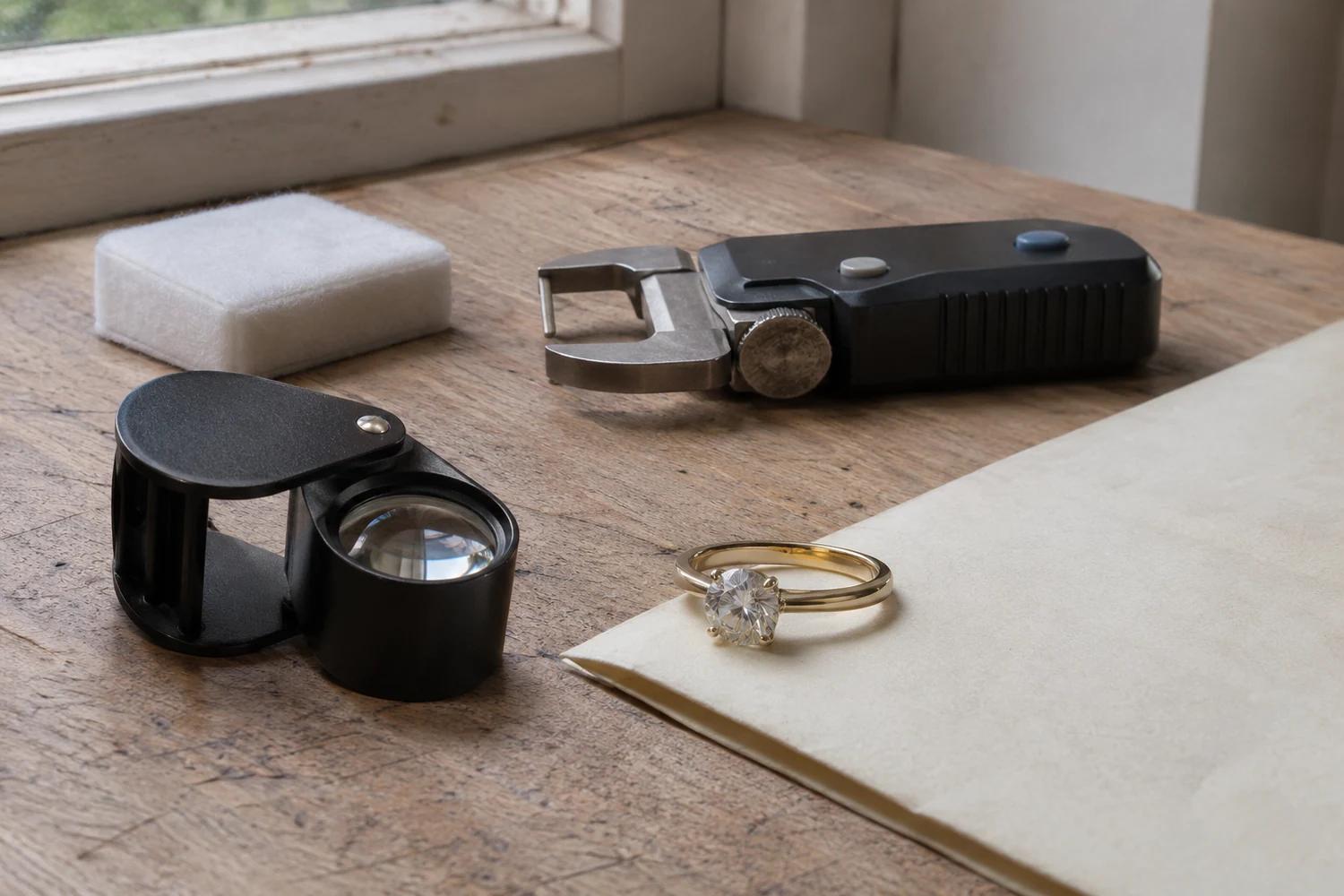
A document that holds up when it is needed.
Why the figure depends on the purpose
A single piece has more than one value, and which one is right depends on why you are asking. A valuation for insurance reflects what it would cost to replace the piece through the retail trade today. A valuation for probate reflects what it would realistically fetch if it were sold, which is a different and usually lower figure. Asking for the wrong one causes real problems later.
Tell us the purpose at the start and the document is prepared accordingly, with the basis of the valuation stated on its face. An insurer who cannot see what basis was used may not accept it, and an executor cannot rely on a figure that does not say what it represents.
Underinsurance is the common failure. Metal and stone prices move, and a schedule written a decade ago rarely covers what a piece would cost to replace now. If your valuations are old, it is worth having them looked at before you need them.
- For insurance
- Retail replacement value, today
- For probate
- Open-market value at the date of death
- For sale
- What a piece is realistically likely to realise
- Each entry
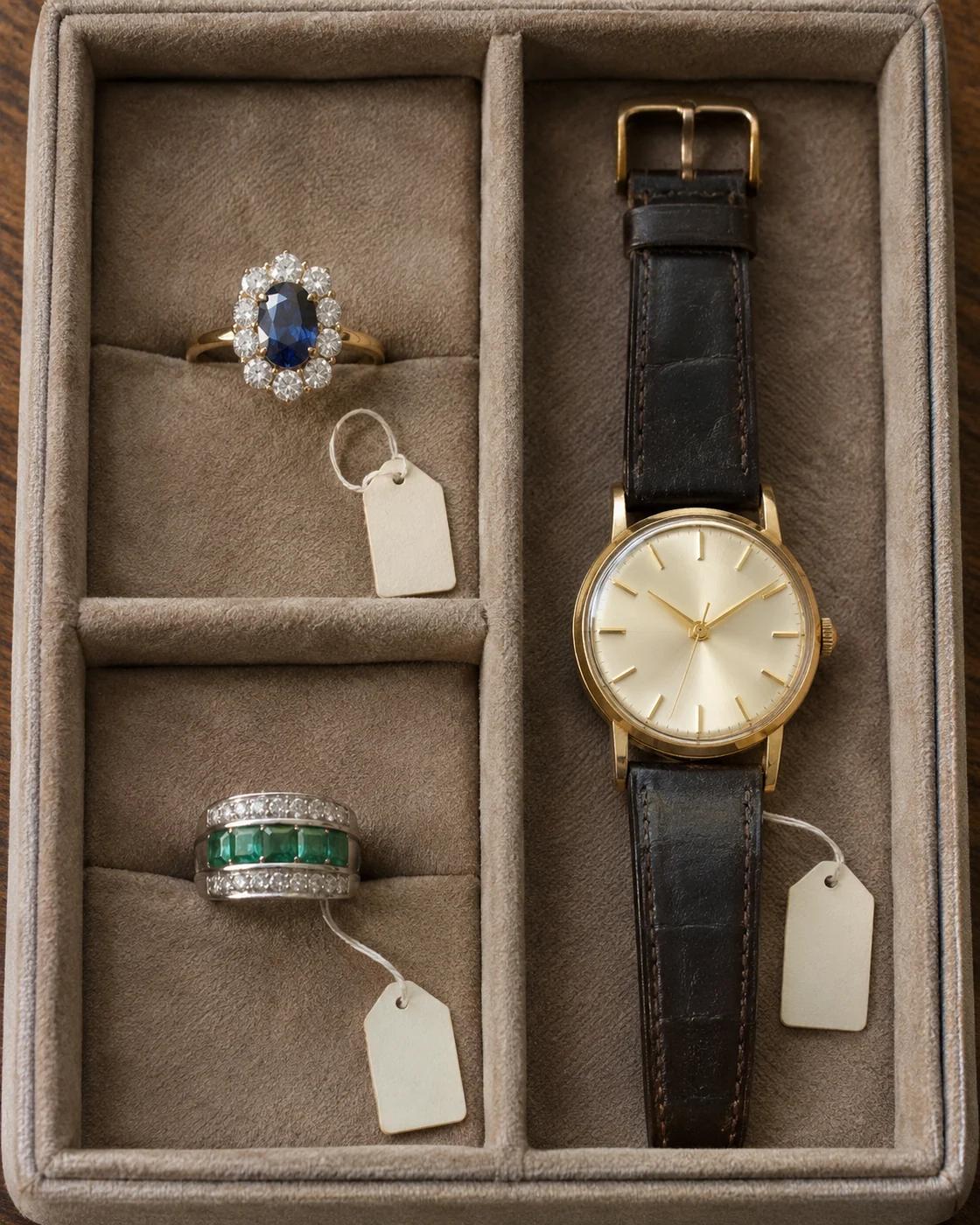
- Described, measured and photographed
What is involved
What the document contains
Every entry is written so the piece could be identified from the page alone.
Full description
Metal and hallmark, maker and reference where present, stone types, cuts, measured dimensions and setting style, recorded piece by piece.
Photographs
Each item photographed, with close images of hallmarks, signatures and any distinguishing feature.
Condition
Wear, damage, previous repairs and replaced components noted, because condition affects the figure and an insurer will ask.
Stated basis
The purpose and basis of valuation set out on the document, so the person reading it knows exactly what the figure represents.
Watches specifically
Reference and serial numbers, movement type, bracelet or strap, and whether box and papers are present — all of which move the figure.
A copy kept
A record retained, so a replacement copy can be issued and the schedule updated later without starting again.
Step by step
How it works
Straightforward, and the purpose is settled before anything is examined.
Tell us what and why
A list of the pieces and the reason for the valuation — insurance, probate, sale or division between family. The purpose decides the basis.
Examination
Each piece is examined, tested where testing is appropriate, measured, weighed and photographed. Hallmarks and any maker's marks are recorded.
Research and figures
Current market evidence is applied to the pieces as they are, on the basis the purpose requires.
The document
You receive the valuation in writing, with photographs, ready to hand to an insurer or a solicitor. The pieces are returned to you at the same time.
The case for it
Why it is worth doing properly
- A claim that gets paid
- Insurers settle against descriptions. A schedule that says 'gold ring' is an argument waiting to happen; one that gives the hallmark, the stones and the measurements is not.
- Executors can rely on it
- A probate figure prepared on the stated basis, with the reasoning visible, is a document that stands up to scrutiny rather than an opinion.
- You find out what you have
- People are often insuring the wrong things. A valuation tells you where the value actually sits in a collection, which is frequently not where it was assumed to be.
- Identifiable if it is lost
- Photographs and measurements give the police and an insurer something to work with if a piece is ever stolen.
Practical
Worth knowing
- Keep a copy elsewhere
- A valuation kept in the same house as the jewellery is of limited use after a fire or a burglary. Keep a copy somewhere else, or with your insurer.
- Revisit it periodically
- Values move. Many insurers expect schedules to be reviewed every few years, and underinsurance is only discovered at the worst moment.
- A valuation is not a certificate
- Where a stone needs independent certification — a significant diamond, for instance — that is a separate laboratory process, and we will tell you when it is worth doing.
Often next
Related services
- Service 01
Watch servicing & repair
Full services, battery and seal changes, crystal and bracelet work, and timing adjustment for mechanical and quartz watches.
- Service 06
Selling & part-exchange
Sell a watch or a piece of jewellery outright, or put its value towards something from the window.
- Service 02
Jewellery repair & restoration
Ring resizing, claw and setting work, chain and clasp repairs, pearl restringing, and careful restoration of older pieces.
Tell us what needs valuing, and why
A short list of the pieces and the purpose is enough to begin. We will explain what basis applies and what the document will contain.